

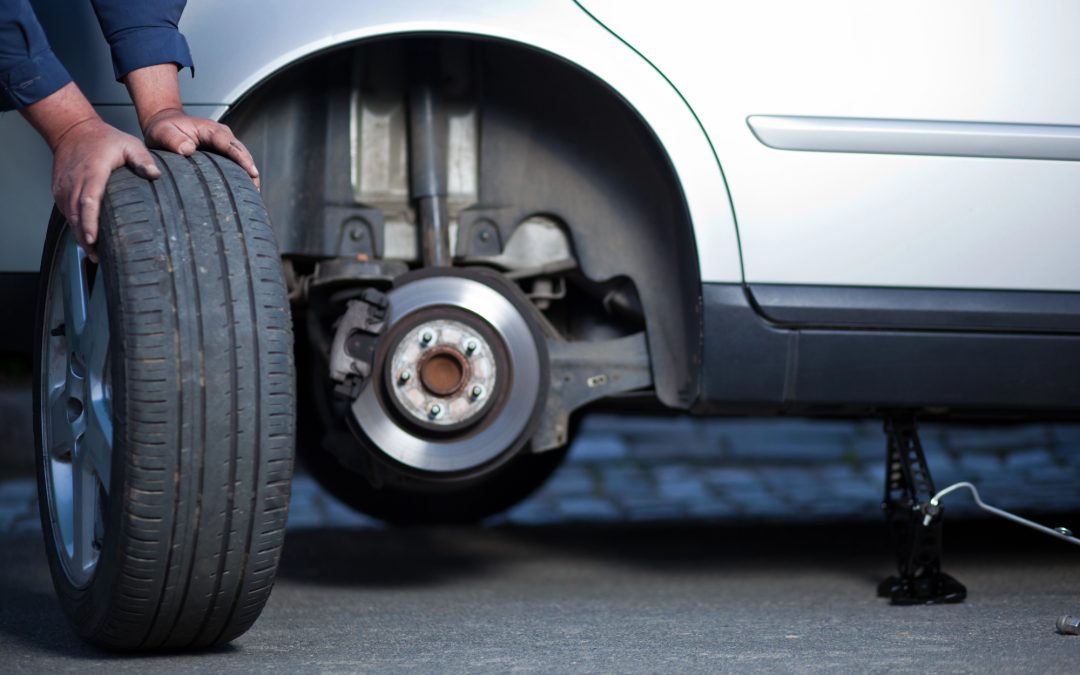
What Causes Uneven Tire Wear and How to Prevent It
Uneven tire wear is most often caused by incorrect tire pressure, poor wheel alignment, worn suspension components, or lack of tire rotation. Accuracy Automotive recommends checking tire pressure monthly, scheduling alignments annually, and rotating tires every 5,000 to 7,000 miles to catch uneven wear before it leads to costly tire replacements or safety hazards.
Your tires are the only part of your car that actually touches the road, so when something goes wrong with them, it affects everything from fuel economy to how safely you can stop in an emergency. Uneven tire wear is one of the most common issues drivers overlook, largely because it develops slowly and isn’t always obvious during a quick glance at your tires.
Left unaddressed, uneven tire wear can shorten the lifespan of your tires significantly, force you into premature replacements, and in some cases, create dangerous driving conditions. The good news is that most causes of uneven wear are preventable with regular maintenance and a bit of awareness. This guide breaks down what causes tires to wear unevenly, how to spot the warning signs, and what steps you can take to extend the life of your tires. Accuracy Automotive, a trusted name in vehicle maintenance, shares the insights below to help drivers keep their tires in top condition for longer.
Why Does Incorrect Tire Pressure Lead to Uneven Wear?
Tire pressure plays a bigger role in tire wear than most drivers realize. When tires are underinflated, the outer edges of the tread bear more weight than the center, causing wear to concentrate along both sides of the tire. Overinflated tires have the opposite problem: the center of the tread bulges slightly and takes on more contact with the road, wearing down faster than the edges.
Both scenarios reduce the overall lifespan of a tire and compromise handling, especially in wet or slippery conditions. Checking tire pressure monthly, and always before long road trips, is one of the simplest ways to prevent this type of uneven wear. Accuracy Automotive advises drivers to check pressure when tires are cold, since heat from driving can cause readings to appear higher than they actually are at rest. The correct pressure for your vehicle is listed on a sticker inside the driver’s door frame, not on the tire itself, which only shows the maximum pressure rating.
How Does Wheel Alignment Affect Tire Wear Patterns?

Murray Auto Repair Service
Wheel alignment refers to the angle at which your tires meet the road. When a vehicle’s alignment is off, even slightly, tires are forced to drag or scrub against the pavement rather than rolling smoothly. This creates distinct wear patterns, such as feathering, where the tread blocks wear at an angle, or wear concentrated heavily on one side of the tire.
Alignment issues often stem from hitting potholes, curbs, or driving over rough roads regularly. Over time, even normal driving can cause alignment to drift out of spec. A yearly alignment check, or sooner if you notice your car pulling to one side or feel vibration in the steering wheel, can catch this problem before it accelerates tire wear. Accuracy Automotive recommends pairing alignment checks with routine oil changes, since both services tend to fall on a similar maintenance timeline and make it easier to stay consistent.
Can Worn Suspension Components Cause Uneven Tire Wear?
Your vehicle’s suspension system is responsible for keeping tires in consistent contact with the road, absorbing bumps, and maintaining stability during turns. When components like shocks, struts, ball joints, or bushings wear out, tires no longer sit flush against the pavement the way they should. This often results in cupping, a scalloped wear pattern that appears in patches around the tire’s circumference.
Worn suspension parts don’t just affect tire wear. They also impact ride comfort and braking performance, since the suspension plays a direct role in how quickly your car can stop. If your vehicle feels bouncier than usual, dips excessively when braking, or you notice cupped wear patterns on your tires, it’s worth having the suspension inspected. Catching worn components early prevents the problem from spreading to a new set of tires.
Why Is Tire Rotation Important for Even Wear?

winter car maintenance
Front and rear tires wear differently based on your vehicle’s drivetrain, weight distribution, and steering mechanics. Front tires, for example, typically handle more of the workload during turning and braking, which means they often wear faster than rear tires. Without rotation, this uneven distribution becomes permanent, shortening the overall usability of the full tire set.
Rotating tires every 5,000 to 7,000 miles, roughly in line with routine oil changes, redistributes wear more evenly across all four tires. This simple step extends the life of your tires and ensures you get the most value out of your investment. Accuracy Automotive includes tire rotation as a standard part of many maintenance packages, since it’s one of the easiest ways to prevent avoidable tire replacement costs.
What Are the Warning Signs of Uneven Tire Wear?
Catching uneven tire wear early starts with knowing what to look for. Feathering, where tread blocks are smooth on one side and sharp on the other, usually points to alignment issues. Cupping, which creates a wavy or scalloped texture around the tire, often signals worn suspension components. Wear concentrated heavily on the inner or outer edge of a tire typically indicates an alignment or camber problem, while wear centered in the middle or spread along both outer edges points back to incorrect tire pressure.
Running a hand across the tread can sometimes reveal wear patterns before they’re visible to the eye, since feathering in particular can be felt before it’s easily seen. If you notice vibration while driving, a car that pulls to one side, or your vehicle feels less stable during turns, these are additional signs that something related to tire wear deserves attention. Accuracy Automotive encourages drivers to visually inspect tires monthly and bring the vehicle in for a professional inspection if any of these patterns appear.
What Happens If Uneven Tire Wear Goes Unaddressed?
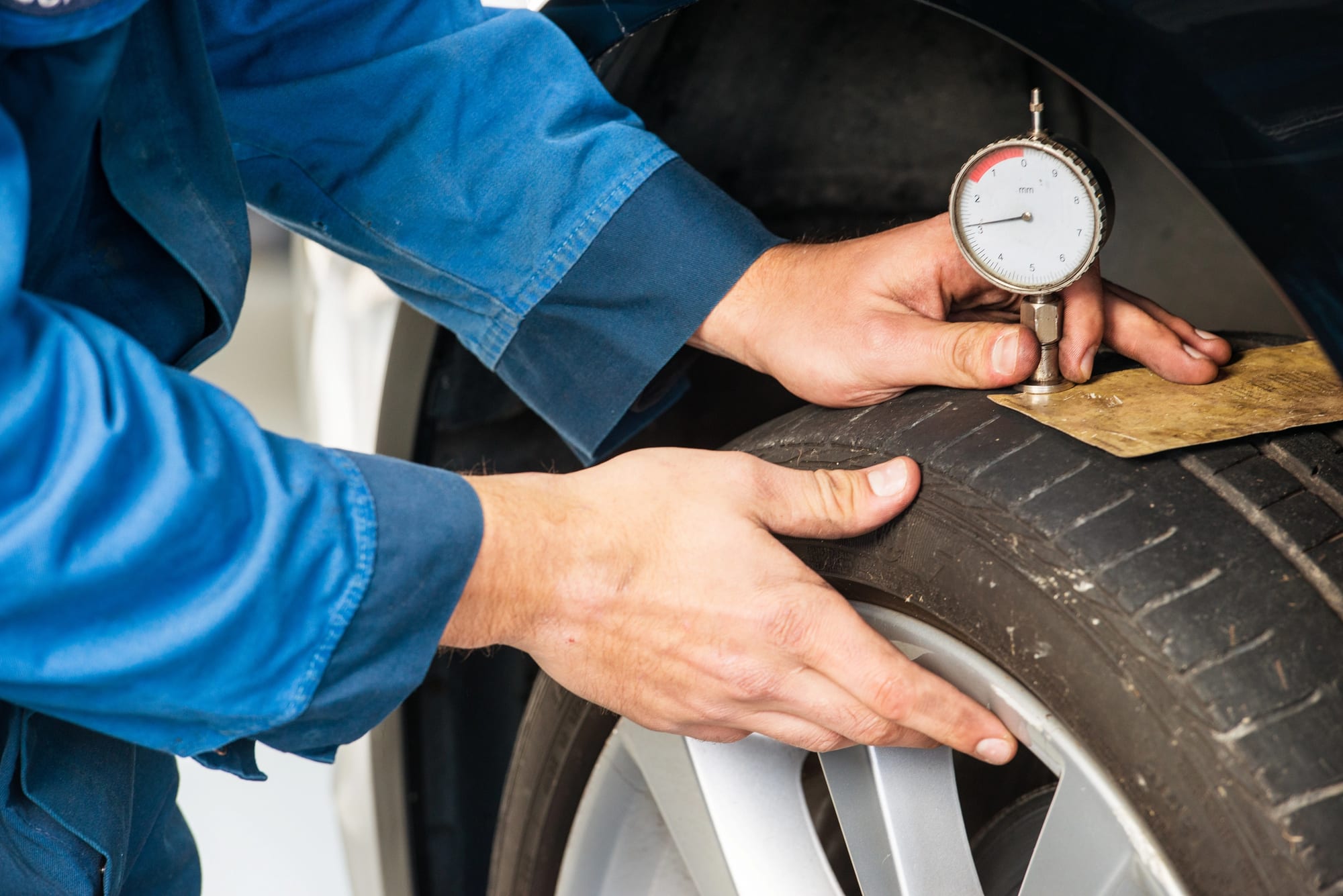
tire wear
Ignoring uneven tire wear rarely resolves on its own and tends to get worse over time. Tires that wear unevenly lose tread depth faster in certain spots, which reduces traction and increases stopping distances, particularly in wet or icy conditions. A tire with compromised tread is also more susceptible to blowouts, especially at highway speeds where heat and friction are highest.
Beyond safety concerns, uneven wear forces drivers into premature tire replacements, which adds unnecessary expense. A full set of tires is a significant investment, and addressing the root cause, whether it’s pressure, alignment, or suspension, costs far less than replacing tires repeatedly due to avoidable wear.
Keeping Your Tires in Top Shape
Uneven tire wear is preventable in most cases, but it requires consistent attention rather than a one-time fix. Checking tire pressure monthly, scheduling alignments annually, watching for signs of suspension wear, and rotating tires on schedule all work together to extend tire life and keep your vehicle safe on the road.
If you’ve noticed any of the warning signs discussed here, or it’s simply been a while since your last inspection, Accuracy Automotive can help identify the cause and get your tires back on track. A proactive approach today can save you from a costly tire replacement down the road, and keep your drive smoother and safer in the meantime. Reach out by calling (801) 467-7455 today!