

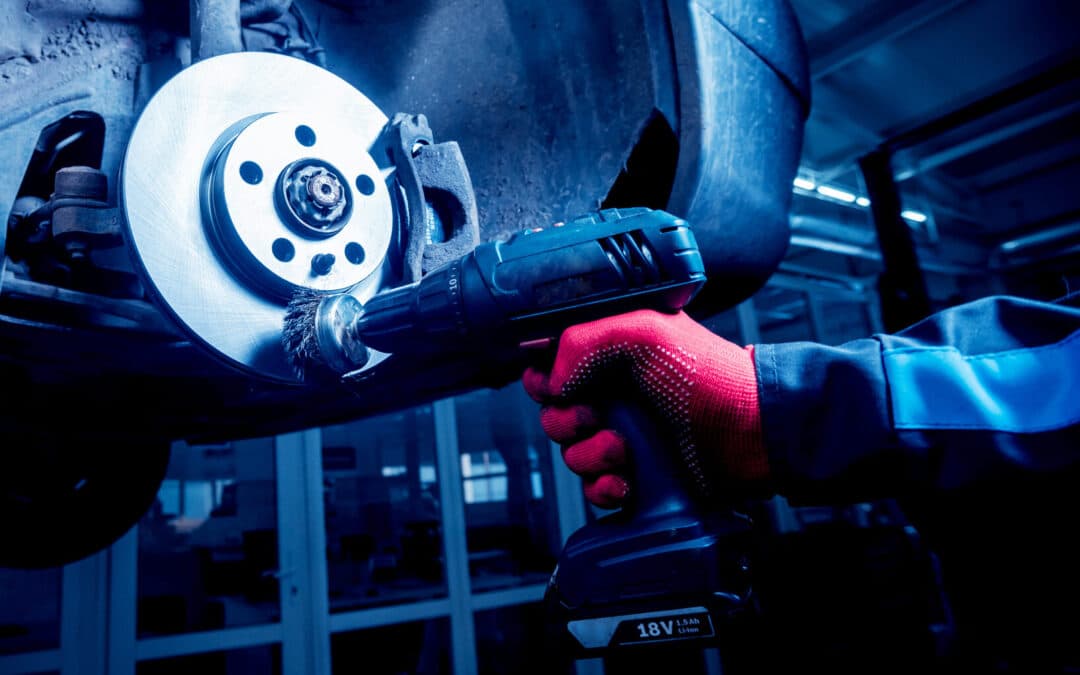
How Long Should Brake Pads Really Last?
Brake pads typically last between 25,000 and 70,000 miles, depending on driving habits, pad material, and vehicle type. City driving with frequent stops wears pads down faster than highway driving. The team at Accuracy Automotive recommends having brake pads inspected every 10,000 to 12,000 miles to catch wear before it becomes a safety issue.
Brake pads are one of those parts you don’t think about until they start making noise. Then suddenly, that high-pitched squeal every time you stop at a red light becomes impossible to ignore. If you’ve found yourself wondering whether that sound means trouble or just needs a quick adjustment, you’re asking the right question at the right time.
The truth is, brake pad lifespan isn’t a fixed number. It depends on a combination of factors that are unique to you and your car. Someone who drives mostly on open highways will get far more mileage out of a set of pads than someone who commutes through stop-and-go city traffic every day. Understanding what actually affects brake pad wear can help you plan ahead, avoid unexpected repair costs, and most importantly, stay safe on the road.
This guide breaks down what influences brake pad life, the warning signs that indicate it’s time for a replacement, and how often you should have your brakes checked by a professional.
What is the average lifespan of brake pads?
Most brake pads last somewhere between 25,000 and 70,000 miles. That’s a wide range, and for good reason. Pad material plays a significant role here. Organic brake pads tend to wear faster, often landing on the lower end of that range, while ceramic pads are known for their durability and can push toward the higher end, sometimes even surpassing it under ideal conditions.
Vehicle weight matters too. Heavier vehicles, like trucks and SUVs, place more strain on the braking system, which can shorten pad life compared to smaller, lighter sedans. According to Accuracy Automotive, drivers who tow trailers or regularly haul heavy loads should expect to replace their brake pads more frequently than the average driver.
Why do some drivers go through brake pads faster than others?
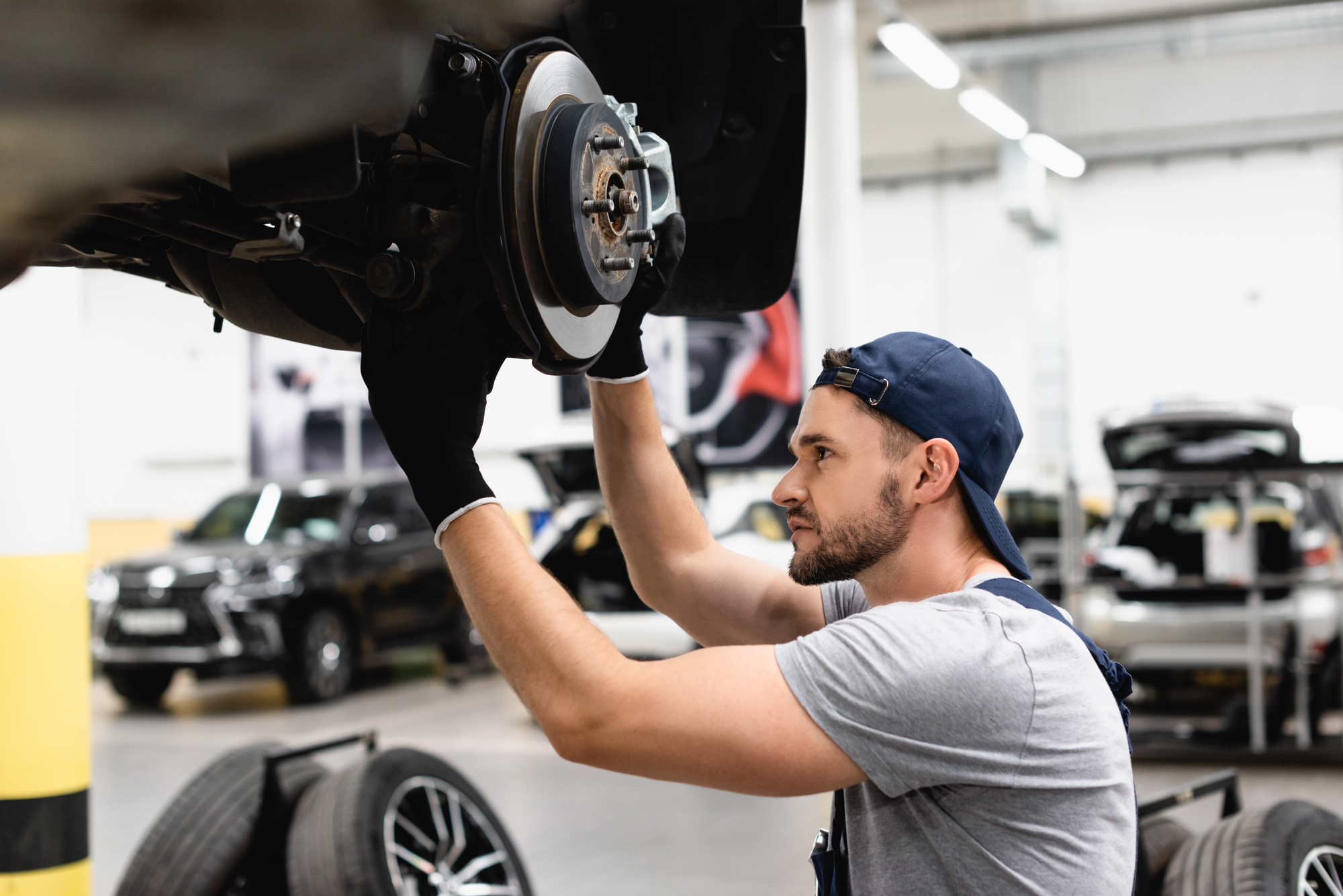
brake repair
Driving style has a bigger impact on brake pad longevity than most people realize. Drivers who brake hard and late, rather than easing off the gas and coasting to a stop, generate more friction and heat every time they slow down. That added stress accelerates wear considerably.
City driving is particularly tough on brake pads. Constant stopping and starting at traffic lights, stop signs, and in heavy traffic means the brakes are engaged far more often than they would be on a highway commute. If your daily drive looks more like a series of short stops than a long, steady cruise, you can expect to replace your pads more often than someone who spends most of their time on the freeway.
Terrain plays a role as well. Drivers who navigate hilly or mountainous roads rely on their brakes more heavily to control speed on descents, which wears down pads faster than driving on flat terrain.
What are the warning signs that brake pads need to be replaced?
Your car typically gives you several signals before brake pads fail completely. The most common one is a high-pitched squealing noise when you brake. This sound comes from a small metal indicator built into the pad, designed specifically to alert drivers that the pad is wearing thin.
If you ignore that sound and keep driving, you might start to hear a deeper grinding noise. This is a more serious warning, as it usually means the pad has worn down completely and metal is now grinding against metal. At this point, you risk damaging the brake rotors, which turns a relatively inexpensive pad replacement into a much costlier repair.
Other signs include a vibrating brake pedal, a car that pulls to one side when braking, or a noticeable increase in the distance it takes to stop. According to Accuracy Automotive, any of these symptoms should prompt an immediate inspection rather than waiting for the next scheduled service.
How often should brake pads be inspected?

Auto Brake Pad Replacement
Even if your brakes seem to be working fine, routine inspections are the best way to catch problems early. Accuracy Automotive recommends having brake pads checked every 10,000 to 12,000 miles, or roughly once a year for average drivers. This allows a trained technician to measure the remaining pad thickness and determine how much life is left before it becomes a safety concern.
Choose more frequent inspections if you drive in stop-and-go traffic daily, tow heavy loads, or drive in hilly terrain, since these conditions accelerate wear beyond the average pace. Drivers who mostly stick to highway commutes with fewer sudden stops can often stick closer to the standard inspection schedule without issue.
Regular inspections also help you budget for replacement costs instead of being caught off guard by a sudden repair bill. Catching worn pads early means a simple pad swap, rather than a more expensive repair involving rotors or calipers.
Does brake pad material affect how long they last?
Brake pad material makes a measurable difference in lifespan and performance. Organic pads, made from a blend of fibers, rubber, and resin, tend to be quieter and gentler on rotors, but they wear out faster and are better suited to lighter vehicles or drivers with lower annual mileage.
Semi-metallic pads contain a mix of metal fibers and other materials, offering stronger stopping power and better durability, especially in trucks or performance vehicles. The tradeoff is that they can be noisier and create more brake dust.
Ceramic pads are often considered the premium option. They last longer, produce less dust, and operate more quietly than other pad types. However, they tend to cost more upfront. Choose ceramic pads if long-term durability and a quieter ride matter more to you than the initial purchase price. Choose semi-metallic pads if you need maximum stopping power for towing or performance driving.
What happens if brake pads are not replaced on time?
Delaying a brake pad replacement doesn’t just risk a grinding noise and an annoying drive. It can lead to significant damage to other parts of the braking system. Once pads wear down completely, the metal backing plate makes direct contact with the rotor, often scoring or warping it in the process.
Replacing a rotor is considerably more expensive than replacing a pad, and in more serious cases, continued neglect can affect the calipers as well. Beyond the financial cost, worn-out brakes compromise your ability to stop quickly and safely, which puts you and everyone else on the road at risk.
Keeping your brakes in top shape
Brake pads don’t last forever, and there’s no single number that applies to every driver. What matters most is paying attention to how you drive, recognizing the warning signs when they appear, and sticking to a consistent inspection schedule. Doing so can save you from costly repairs down the line and, more importantly, keep you safe behind the wheel.
If it’s been a while since your last brake inspection, now is a good time to schedule one. The team at Accuracy Automotive can assess your current pad wear, walk you through your options, and help you choose the right pad material for your driving habits and budget. Reach out today by calling (801) 467-7455.