
Why Your Check Engine Light Should Never Be Ignored
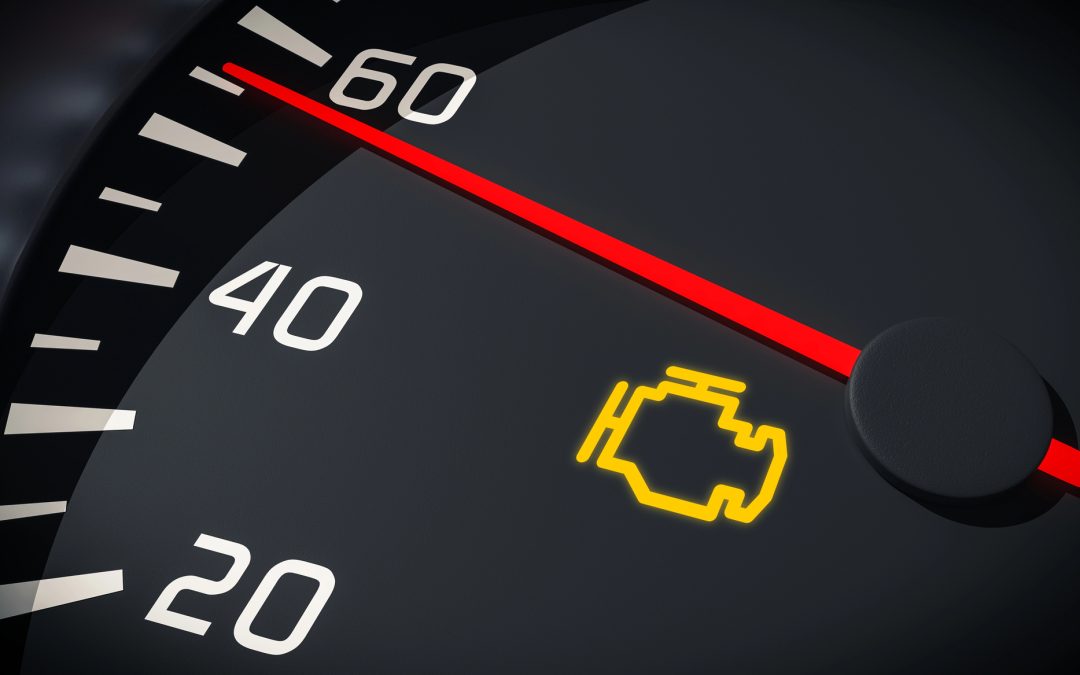
The check engine light signals that your vehicle’s onboard computer has detected a problem, ranging from a loose gas cap to a failing catalytic converter. Ignoring it can turn a simple fix into an expensive repair. Accuracy Automotive recommends having your vehicle diagnosed as soon as the light appears, rather than waiting for symptoms to worsen.
Few things cause more anxiety for drivers than a glowing check engine light. It appears without warning, often with no other symptoms, and leaves you wondering whether you’re facing a minor sensor glitch or a serious mechanical failure. Many drivers choose to ignore it, reasoning that the car still runs fine, so it can’t be that serious. This assumption is exactly what leads to costly repairs down the road.
The check engine light exists because your vehicle’s computer system is constantly monitoring dozens of components, from oxygen sensors to transmission performance. When something falls outside normal parameters, the system flags it. Understanding what this light means, and why prompt attention matters, can save you thousands of dollars and prevent your vehicle from breaking down unexpectedly.
What does the check engine light actually mean?
The check engine light is part of your vehicle’s onboard diagnostics system, often referred to as OBD-II. This system has been standard in vehicles sold in the United States since 1996. It tracks emissions-related components and engine performance in real time, watching for anything that deviates from the manufacturer’s specifications.
When the computer detects an issue, it stores a diagnostic trouble code and illuminates the check engine light on your dashboard. This code doesn’t tell you exactly what’s wrong on its own. Instead, it points a trained technician toward the system or component that needs further investigation. Accuracy Automotive uses professional-grade diagnostic scanners to pull these codes and interpret them accurately, since guessing at the cause based on the code alone can lead to unnecessary parts replacement.
Why do so many drivers ignore the check engine light?
There’s a common misconception that if the car is still driving normally, the issue can wait. Unlike a flashing check engine light, which usually signals an urgent problem, a steady light is often mistaken for something that can be dealt with eventually. This false sense of security is dangerous.
Some drivers have also had the experience of the light turning off on its own after a few days, which leads them to believe the problem resolved itself. In many cases, the underlying issue is still there. The computer may simply stop flagging it after a certain number of drive cycles pass without the fault reoccurring, even though the root cause remains unaddressed.
What can happen if you ignore the check engine light?

overheated car
Small problems rarely stay small in a vehicle’s engine system. A failing oxygen sensor, for example, might seem harmless at first. Left unaddressed, it can cause your engine to run rich, meaning it burns more fuel than necessary. Over time, this extra strain can damage the catalytic converter, which is one of the most expensive components to replace in a modern exhaust system.
A loose or faulty gas cap is one of the most common triggers for the check engine light, and it’s also one of the cheapest fixes. But the light doesn’t tell you whether you’re dealing with a two-dollar cap or a two-thousand-dollar transmission issue. That distinction only becomes clear once a technician runs a proper diagnostic. Waiting too long to find out can mean the difference between a quick repair and a tow truck.
How does Accuracy Automotive approach check engine light diagnostics?
Accuracy Automotive treats every check engine light as worth investigating, regardless of how minor it may seem. The diagnostic process starts with connecting a scan tool to retrieve the stored trouble codes, but the team doesn’t stop there. Reading the code is only the first step. Technicians at Accuracy Automotive then perform a physical inspection of the flagged system, checking wiring, sensors, and related components to confirm the actual cause before recommending any repair.
This approach matters because diagnostic codes can sometimes point to a symptom rather than the root cause. A code indicating a misfire, for instance, could stem from a faulty spark plug, a bad ignition coil, or a vacuum leak. Accuracy Automotive’s technicians rely on their training and experience to narrow down the real issue, which helps customers avoid paying for parts they don’t need.
When should you bring your vehicle in for a check engine light?

car mechanic
A solid, non-flashing check engine light generally means the issue isn’t an immediate emergency, but it should still be looked at within a few days. Driving habits, such as reduced fuel economy or a rough idle, can offer clues that something needs attention sooner rather than later.
A flashing check engine light is a different story entirely. This typically indicates a severe engine misfire that could be dumping unburned fuel into the exhaust system, which can rapidly overheat and damage the catalytic converter. If your check engine light is flashing, it’s best to reduce your speed, avoid heavy acceleration, and get to a repair shop like Accuracy Automotive as soon as possible.
What does ignoring the check engine light cost you in the long run?
The financial argument for prompt diagnosis is straightforward. According to the U.S. Environmental Protection Agency, a poorly performing oxygen sensor alone can reduce fuel economy by as much as 40%. Multiply that inefficiency over weeks or months of driving, and the cost of ignoring a simple sensor issue quickly exceeds the cost of fixing it in the first place.
Beyond fuel costs, unresolved engine problems tend to compound. A minor sensor fault left unaddressed can eventually damage more expensive components connected to it, turning a $100 repair into a $1,500 one. Accuracy Automotive frequently sees this pattern with vehicles that come in after months of an ignored dashboard light, where a simple fix has snowballed into a much larger repair bill.
Take your check engine light seriously
A check engine light is your vehicle’s way of asking for help before a small problem becomes a major one. Ignoring it rarely makes the underlying issue disappear, and in many cases, it only adds to the eventual repair cost. Whether the light is steady or flashing, getting a proper diagnosis from a trusted shop is the safest and most cost-effective path forward.
Accuracy Automotive encourages drivers to treat every check engine light as a conversation worth having with a professional. A quick diagnostic appointment today could save you from a far more expensive repair, or a roadside breakdown, tomorrow. Reach out by calling (801) 467-7455 now!