

The Most Common Causes of Engine Overheating in Utah
Engine overheating in Utah is most often caused by low coolant levels, a failing radiator, a broken thermostat, or a worn water pump—all of which are made worse by Utah’s high summer temperatures and mountainous terrain. Accuracy Automotive recommends regular cooling system inspections, especially before summer road trips or long drives through Utah’s canyons, to catch these issues before they leave you stranded.
Utah drivers face a unique combination of challenges when it comes to keeping their engines cool. Scorching summer heat in cities like St. George and Salt Lake City pushes cooling systems to their limits, while the steep grades of mountain passes like Parleys Canyon or the drive up to Park City demand extra engine power—and generate extra heat. Add in the dry desert air found throughout much of the state, and it’s no surprise that engine overheating ranks among the most common reasons Utah drivers end up on the side of the road.
The team at Accuracy Automotive sees this problem year-round, but especially during the hotter months when temperatures climb well above 90 degrees. Understanding what causes engine overheating can help you catch small problems before they turn into expensive repairs or a breakdown far from home.
Why Does Low Coolant Lead to Engine Overheating?
Coolant, also known as antifreeze, is the lifeblood of your engine’s temperature regulation system. It circulates through the engine block, absorbing heat, and then travels to the radiator, where that heat is released into the outside air. When coolant levels drop too low, there simply isn’t enough fluid to absorb and transfer heat effectively. This causes the engine to run hotter than it should, and in severe cases, it can lead to warped cylinder heads or a blown head gasket.
Coolant levels can drop for several reasons, including small leaks in hoses or the radiator itself, a failing radiator cap, or evaporation over time. Utah’s dry climate can accelerate evaporation, particularly in vehicles that haven’t had a coolant flush in several years. Accuracy Automotive advises checking coolant levels monthly, and always before a long trip through Utah’s more remote highways, where help may not be close by if your engine overheats.
Can a Failing Radiator Cause Your Car to Overheat?

overheating car
The radiator is responsible for dissipating the heat absorbed by coolant, and when it isn’t working properly, engine overheating becomes almost inevitable. Common radiator issues include clogged fins that block airflow, internal corrosion that restricts coolant flow, and leaks caused by age or road debris impact.
Utah’s mountain roads expose vehicles to loose gravel and rocks that can puncture a radiator’s thin metal fins. Additionally, hard water mineral deposits can build up inside the radiator over time, particularly in vehicles that haven’t had regular flushes. Accuracy Automotive’s technicians often find that a simple radiator flush and inspection resolves early-stage overheating issues before they become serious. If a radiator is too damaged or corroded, replacement is usually the safer long-term fix.
What Role Does the Thermostat Play in Engine Temperature?
Many drivers are surprised to learn that a small, inexpensive part like the thermostat can cause significant overheating problems. The thermostat regulates the flow of coolant between the engine and radiator based on temperature. When it fails in the closed position, coolant can’t reach the radiator at all, causing the engine temperature to spike rapidly, sometimes within just a few minutes of driving.
This is particularly dangerous in Utah’s summer heat, where a stuck thermostat combined with 100-degree ambient temperatures can cause an engine to overheat before a driver even notices the warning light. Accuracy Automotive recommends replacing the thermostat as part of routine cooling system maintenance, typically every 60,000 to 100,000 miles depending on the vehicle manufacturer’s guidelines.
How Does a Failing Water Pump Contribute to Overheating?
The water pump keeps coolant circulating throughout the engine and radiator system. Without proper circulation, coolant sits stagnant and can’t absorb or release heat effectively, regardless of how much coolant is in the system. Water pumps typically fail due to worn bearings, a broken belt, or a deteriorated seal that allows coolant to leak out.
Signs of a failing water pump include a high-pitched whining noise from the front of the engine, visible coolant leaks underneath the vehicle, or steam rising from under the hood. Because water pumps are often driven by the timing belt or a serpentine belt, a failure can sometimes cause additional damage if not addressed quickly. Accuracy Automotive’s technicians inspect water pumps as part of any comprehensive engine overheating diagnosis, since this component is a frequent culprit that’s easy to overlook.
Does Utah’s Terrain and Climate Make Overheating More Likely?

Utah presents a distinct set of environmental factors that increase the risk of engine overheating compared to milder climates. Steep, sustained inclines found throughout the Wasatch Range force engines to work harder for extended periods, generating more heat than flat highway driving. Combine that with high summer temperatures in southern Utah, where St. George regularly sees triple-digit heat, and cooling systems face compounding stress.
Towing trailers, hauling heavy loads, or driving with a full vehicle during a family road trip through Utah’s national parks can also add strain on an already taxed cooling system. Accuracy Automotive frequently reminds customers that vehicles used for towing or mountain driving benefit from more frequent cooling system checks than the standard manufacturer recommendation, simply because Utah’s driving conditions are more demanding than average.
What Should You Do If Your Engine Starts Overheating?
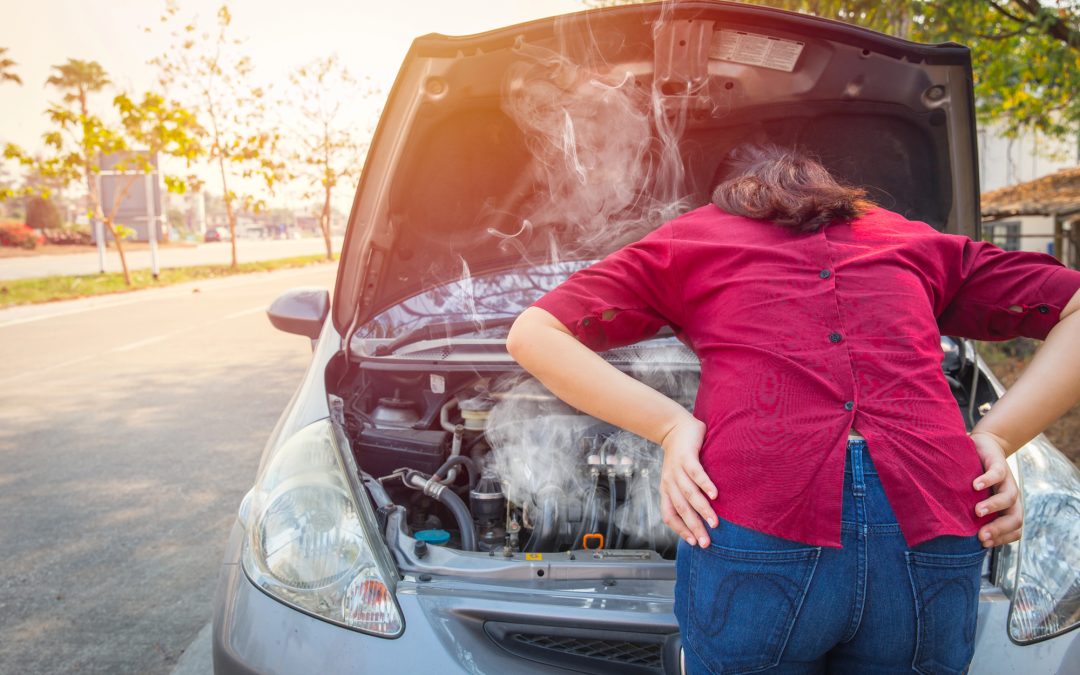
If your temperature gauge climbs into the red zone or you see steam coming from under the hood, the safest response is to pull over as soon as it’s safe to do so and turn off the engine. Continuing to drive an overheating vehicle risks severe engine damage, including a cracked engine block, which can turn a moderate repair into a total loss.
Once safely stopped, allow the engine to cool for at least 30 minutes before opening the hood or the radiator cap, since pressurized hot coolant can cause serious burns. Accuracy Automotive advises against attempting to add coolant to a hot engine, as the sudden temperature change can crack the engine block or cylinder head. Instead, it’s best to call for a tow or roadside assistance once the vehicle has had time to cool.
Keep Your Engine Running Cool With Regular Maintenance
Engine overheating rarely happens without warning signs. Fluctuating temperature gauges, sweet-smelling steam, or a coolant puddle under your car are all signals that something in your cooling system needs attention. Rather than waiting for a breakdown on a hot Utah highway, regular inspections can catch these issues early and keep repair costs manageable.
Accuracy Automotive specializes in diagnosing and repairing the underlying causes of engine overheating, from coolant leaks to failing water pumps and everything in between. Whether you’re preparing for a summer road trip through Zion National Park or simply want peace of mind during your daily commute, scheduling a cooling system inspection is one of the most effective ways to protect your engine and avoid an unexpected breakdown. Reach out to learn more by calling (801) 467-7455.