


Why Autumn Is the Perfect Time for a Vehicle Inspection
Autumn is the ideal season for a vehicle inspection because it prepares your car for winter’s harsher driving conditions while addressing wear accumulated over summer. Accuracy Automotive recommends scheduling a fall inspection to catch issues with tires, brakes, fluids, and batteries before cold weather makes them worse.
The leaves are changing, temperatures are dropping, and your car is about to face a whole new set of challenges. Summer road trips and scorching heat put real strain on your vehicle, and winter’s ice, snow, and freezing temperatures are just around the corner. Autumn sits right in the middle of these two demanding seasons, making it the smartest time to give your car the attention it deserves.
A seasonal vehicle inspection does more than just check a box. It catches small problems before they become expensive repairs, keeps you safer on the road, and ensures your car is ready for whatever winter throws at it. Accuracy Automotive has seen firsthand how a proactive fall inspection can save drivers time, money, and stress once the temperature drops. This post breaks down why autumn matters so much for vehicle maintenance and what a thorough inspection should cover.
What happens to your car during the transition from summer to winter?
Summer heat is tough on vehicles. High temperatures accelerate the breakdown of fluids, put extra stress on the cooling system, and can cause tires to wear unevenly, especially after long road trips. By the time autumn arrives, many vehicles are already carrying hidden wear that drivers haven’t noticed yet.
Then winter arrives with its own set of demands. Cold temperatures reduce battery efficiency, thicken fluids, and make existing tire or brake issues far more dangerous. Ice and snow only amplify problems that were manageable in warmer weather. Autumn is the buffer season where you can address summer’s damage before winter makes it worse. Accuracy Automotive treats this transitional period as a critical checkpoint, not just a routine appointment.
Why does battery health matter more in autumn?
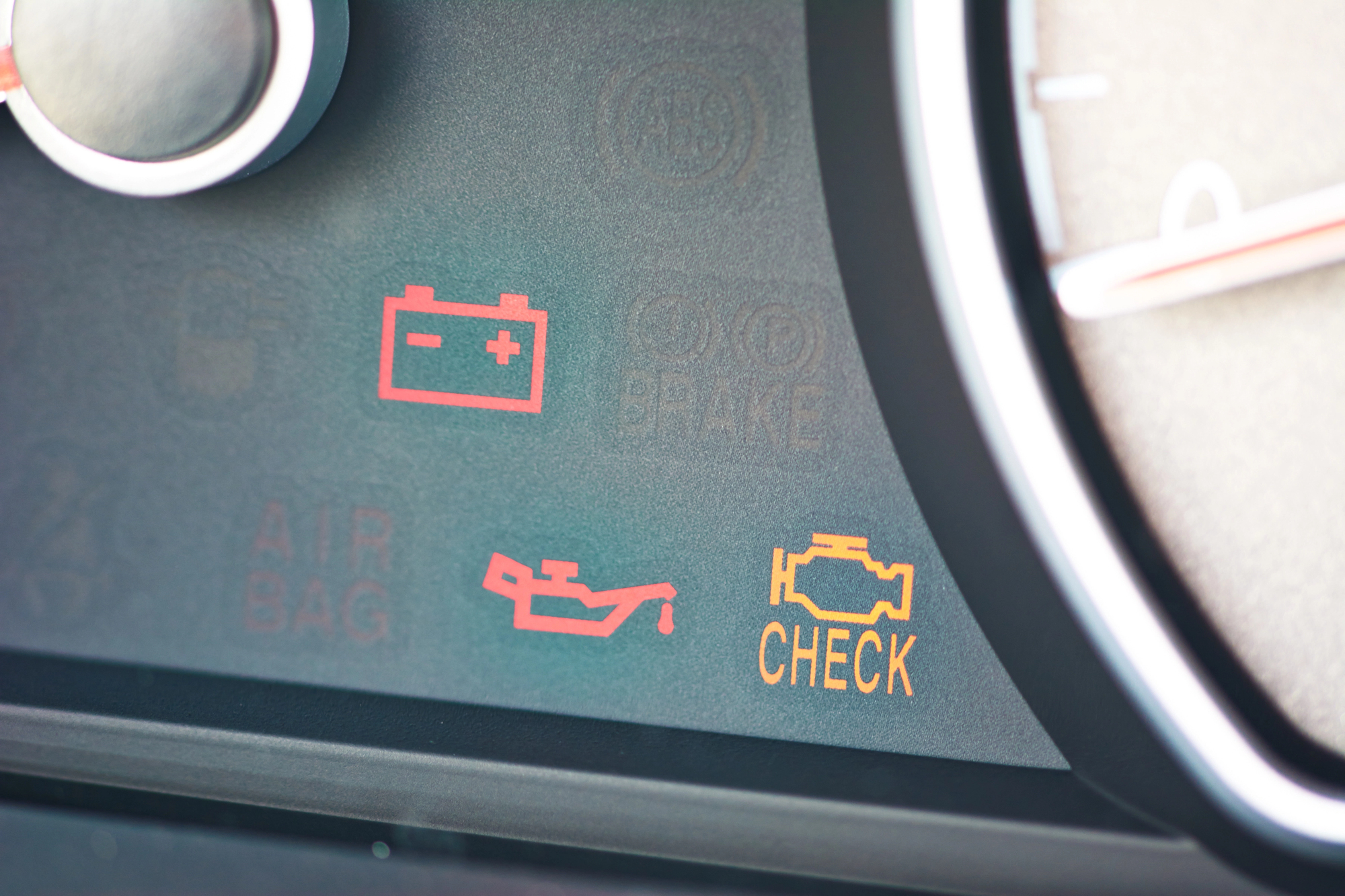
check engine light
Car batteries work harder in cold weather, and a battery that’s already weakened from summer heat may not survive its first freezing morning. Heat accelerates the chemical reactions inside a battery that lead to corrosion and internal damage, which means a battery that seemed fine in July might fail unexpectedly in December.
An autumn inspection allows technicians to test battery voltage, check for corrosion on terminals, and assess overall battery health before the cold sets in. Replacing a weak battery in October is far more convenient than dealing with a dead one during the first snowstorm. Accuracy Automotive includes battery testing as a standard part of every fall inspection, since it’s one of the most common causes of winter breakdowns.
Should you check your tires before winter driving conditions arrive?
Tires are your car’s only point of contact with the road, and that connection becomes even more important once wet leaves, rain, and eventually ice enter the picture. Autumn is the right time to check tread depth, look for uneven wear patterns, and confirm that tire pressure is properly calibrated. Cooler nighttime temperatures cause air pressure to drop, so tires that were properly inflated in August might be underinflated by October.
Worn tires lose traction quickly in wet or icy conditions, which directly increases stopping distances and reduces control. A thorough inspection can identify whether your current tires will hold up through winter or whether it’s time to consider a replacement, or even a switch to winter-specific tires depending on where you live. Accuracy Automotive helps drivers assess tire condition honestly, without pushing unnecessary replacements.
Why is brake performance especially important heading into fall and winter?
Braking distances increase significantly on wet or icy roads, which makes brake health non-negotiable heading into colder months. Pads that were adequate during dry summer driving may need replacement before they’re tested by wet autumn roads or icy winter mornings.
A fall inspection typically includes checking brake pad thickness, rotor condition, and brake fluid quality. Catching a minor brake issue in October is a straightforward, affordable fix. Ignoring it until winter can turn a simple pad replacement into a more serious repair involving damaged rotors, or worse, a safety incident on the road.
What role do fluids play in seasonal vehicle maintenance?
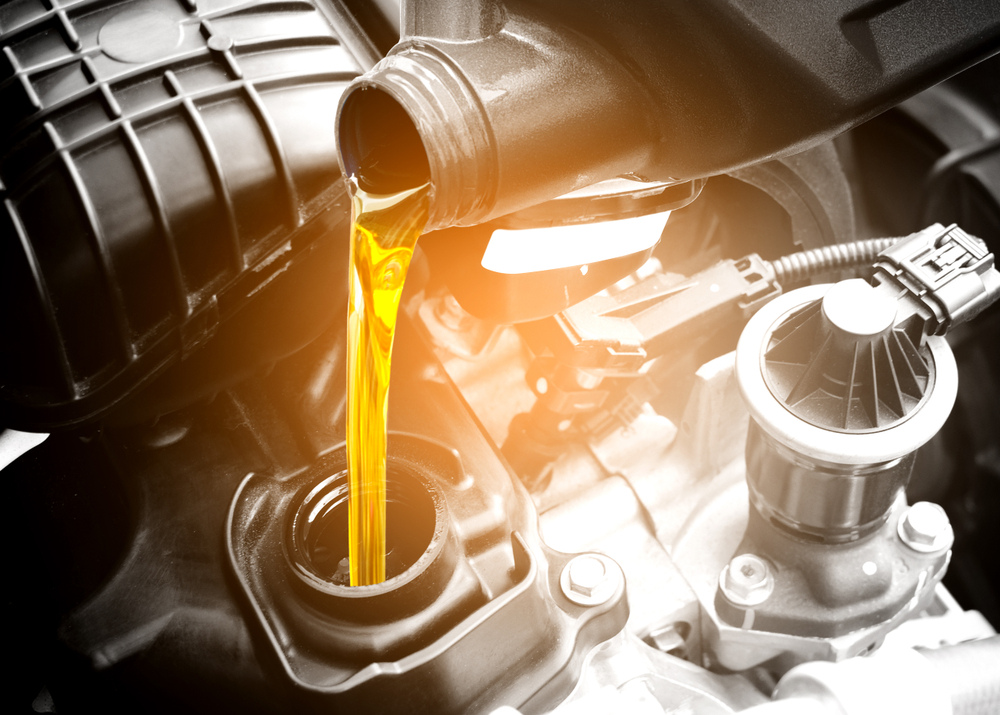
regular oil changes
Your vehicle relies on several fluids that behave differently as temperatures change. Engine oil, coolant, transmission fluid, and windshield washer fluid all have optimal viscosity ranges, and dropping temperatures can affect how well they perform. Coolant, in particular, needs to be checked and potentially flushed before winter, since a coolant mixture that’s too diluted can freeze and cause serious engine damage.
Windshield washer fluid is another easy item to overlook. Summer formulas aren’t designed to resist freezing, so switching to a winter-rated fluid in autumn ensures you’re not stuck with a frozen reservoir during the first cold snap. Accuracy Automotive walks through each fluid system during a fall inspection to confirm everything is at the right level and suited for colder weather.
How does a fall inspection prevent costly repairs down the road?
Small issues are almost always cheaper to fix than the larger problems they eventually cause. A minor brake pad issue caught in autumn costs far less than a warped rotor discovered in January. A slightly weak battery identified in October is a simple replacement, compared to a tow truck call during a winter storm.
Preventive maintenance also extends the overall lifespan of your vehicle. Addressing wear before it compounds means fewer major repairs over the life of the car, which translates directly into savings. Accuracy Automotive’s approach to fall inspections centers on this principle: catch it early, fix it affordably, and avoid the stress of an unexpected breakdown.
Get ahead of winter with a fall vehicle inspection
Autumn offers a narrow but valuable window to prepare your vehicle for the demands of winter driving. From battery health to tire condition, brake performance, and fluid levels, a comprehensive inspection addresses the areas most likely to cause problems once temperatures drop. Waiting until the first snowfall to think about vehicle maintenance often means dealing with issues under pressure, rather than on your own schedule.
Scheduling a fall inspection with Accuracy Automotive means walking into winter with confidence instead of uncertainty. Their technicians know exactly what to look for during this seasonal transition, and they can help you address problems while they’re still small and manageable. Don’t wait for the first cold snap to find out your car wasn’t ready. Book your autumn vehicle inspection today by calling (801) 273-0664 and drive into winter prepared.