


How Rising Temperatures Impact Your Vehicle’s Performance
Rising temperatures put serious stress on your vehicle’s engine, tires, battery, and fluids—often without obvious warning signs. Understanding how heat affects vehicle performance can help drivers catch problems early and avoid costly repairs. Accuracy Automotive provides expert diagnostics and maintenance to keep your car running safely through every season.
Summer heat does more than make your steering wheel too hot to touch. Extreme temperatures quietly wear down some of the most critical systems in your vehicle—often before a dashboard warning light ever flickers on. For everyday drivers, this means reduced performance, unexpected breakdowns, and repair bills that could have been avoided.
Accuracy Automotive has seen firsthand how seasonal heat accelerates wear on vehicles that seem perfectly healthy during cooler months. The difference between a car that handles summer well and one that doesn’t often comes down to preparation and early intervention. This post breaks down exactly how rising temperatures affect your vehicle’s performance—and what you can do about it.
How Does Heat Affect Engine Performance?
The engine is your vehicle’s most heat-sensitive component, and it already generates enormous amounts of its own thermal energy during normal operation. Add a scorching summer day to the equation, and the cooling system has to work significantly harder to maintain safe operating temperatures.
When ambient temperatures rise, coolant fluid absorbs heat more quickly and the radiator has to dissipate it faster than it was designed to in milder conditions. If the coolant is old or the cooling system has a small leak that went unnoticed during winter, summer is when those issues become critical. Accuracy Automotive recommends having your coolant inspected and flushed according to your vehicle manufacturer’s schedule—not just when something goes wrong.
Engine oil also behaves differently in the heat. High temperatures cause oil to thin out, reducing its ability to lubricate engine components effectively. Over time, this leads to increased friction and accelerated wear on pistons, camshafts, and bearings. Choosing the right oil viscosity for your climate is one of the simplest steps you can take to protect engine performance during summer.
What Does Heat Do to Your Tires?
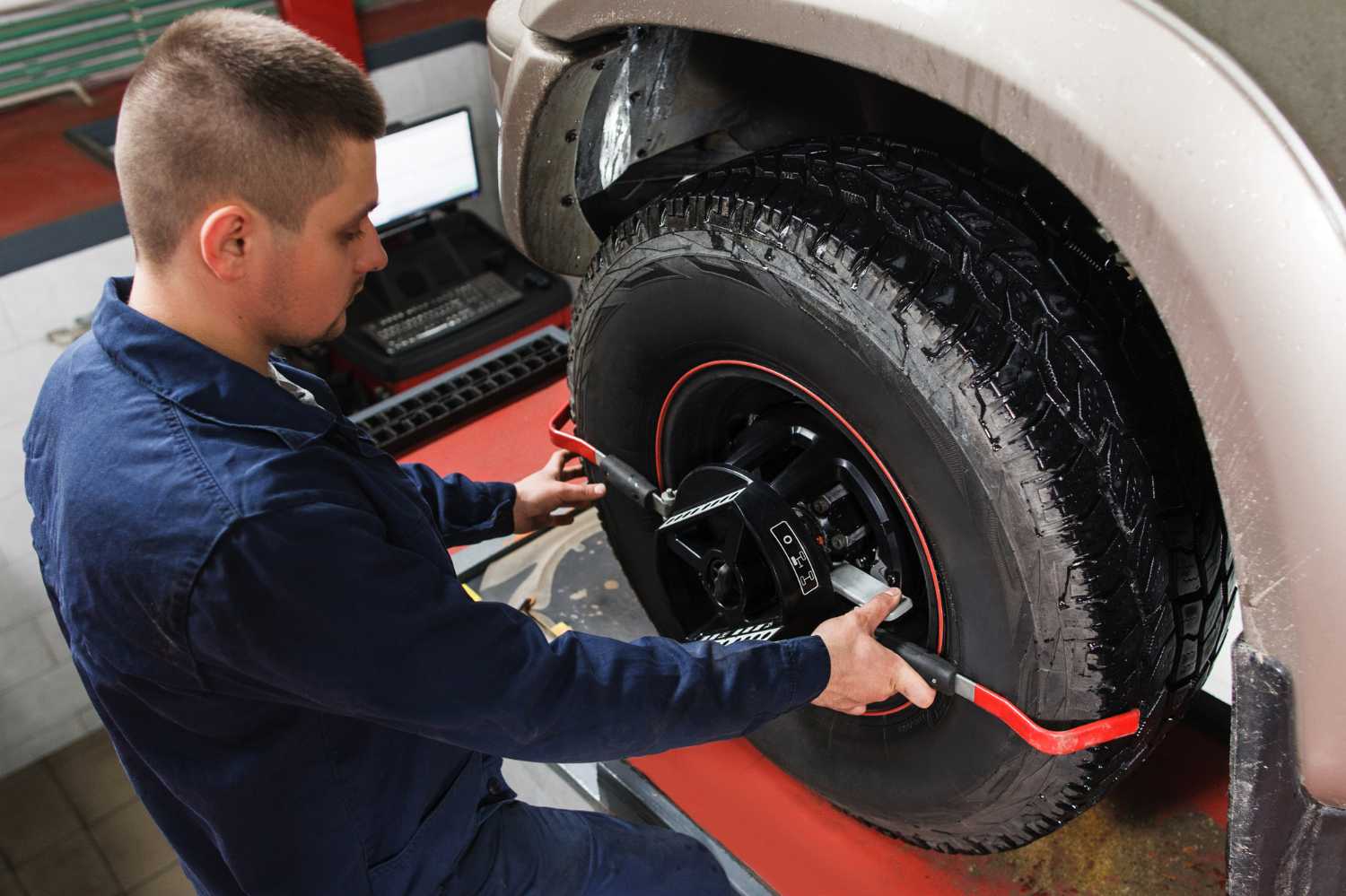
Wheel Alignment Service
Tire pressure is directly tied to temperature. For every 10°F rise in ambient temperature, tire pressure increases by roughly 1 PSI. That might sound minor, but overinflated tires make less contact with the road, reducing traction and handling precision—two things you absolutely need in an emergency braking situation.
Heat also accelerates the breakdown of rubber compounds in tires. If your tires are already aging, summer driving on hot pavement speeds up surface cracking and internal structural degradation. A tire that looks fine in April can become a blowout risk by August, particularly on highway drives where heat builds up continuously with no chance to dissipate.
Accuracy Automotive advises drivers to check tire pressure early in the morning before the day heats up, as this gives the most accurate reading. Rotating tires regularly and replacing sets that are more than five or six years old—regardless of visible tread depth—goes a long way toward maintaining safe vehicle performance throughout warmer months.
How Does Summer Heat Drain Your Car Battery?
Cold weather gets most of the blame for dead car batteries, but heat is actually a more damaging long-term threat. High temperatures accelerate the chemical reactions inside a lead-acid battery, which causes internal corrosion and speeds up fluid evaporation within the battery cells. The result is a battery that appears functional but has significantly reduced capacity.
Drivers often notice this problem in autumn, when temperatures drop and the battery—already weakened by summer heat—can no longer deliver the cold cranking amps needed to start the engine reliably. By that point, the damage is done. Getting a battery load test before summer arrives is a straightforward preventive step. Accuracy Automotive’s technicians can assess battery health quickly and let you know whether it’s worth keeping or time to replace.
What Happens to Transmission and Brake Fluids in the Heat?
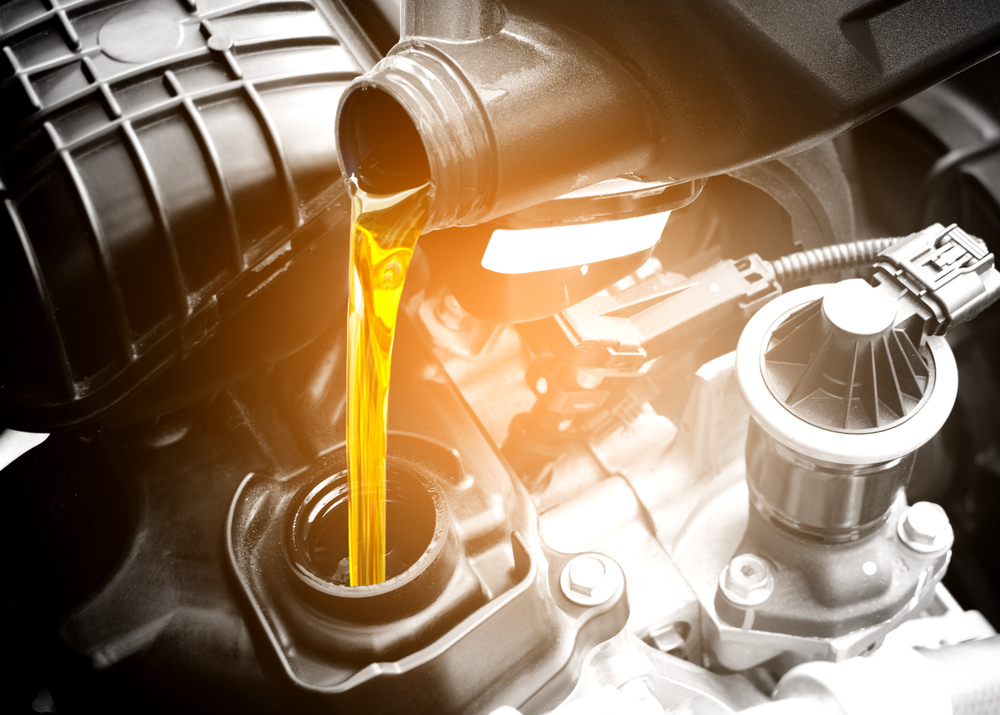
regular oil changes
Fluids are the lifeblood of your vehicle, and heat degrades nearly all of them. Transmission fluid is particularly vulnerable—when it overheats, it loses its viscosity and begins to oxidize, which compromises the transmission’s ability to shift smoothly and efficiently. Vehicles that frequently tow, carry heavy loads, or sit in stop-and-go traffic are especially at risk of transmission fluid breakdown during summer.
Brake fluid is hygroscopic, meaning it absorbs moisture from the air over time. As moisture content increases, the fluid’s boiling point drops. Under heavy braking on a hot day—think mountain roads or urban stop-and-go traffic—contaminated brake fluid can actually boil, creating vapor bubbles in the brake lines. This leads to a soft, spongy brake pedal and a serious reduction in stopping power. Accuracy Automotive recommends flushing brake fluid every two years and more frequently for drivers in consistently hot climates.
Power steering fluid, air conditioning refrigerant levels, and windshield washer fluid all deserve attention too. A complete fluid inspection at the start of summer takes less than an hour but can prevent failures that sideline your vehicle for days.
Why Does Your Air Conditioning Work Harder—and What That Means
Your air conditioning system puts an extra load on the engine every time it’s running. In mild weather, this is barely noticeable. In extreme heat, a vehicle’s AC system runs nearly continuously and can reduce fuel efficiency by as much as 25% according to the U.S. Department of Energy. An AC system that’s low on refrigerant or has a worn compressor has to work even harder, placing additional strain on the engine’s belts, pulleys, and electrical system.
Accuracy Automotive offers AC performance checks that include refrigerant level inspection, compressor evaluation, and cabin filter replacement. A clean cabin air filter alone can improve air conditioning efficiency noticeably—and it’s one of the most overlooked maintenance items during summer preparation.
How Accuracy Automotive Helps You Stay Ahead of Summer Damage
Reactive maintenance—fixing things after they break—is almost always more expensive than catching problems early. Accuracy Automotive’s approach is built around helping drivers understand what their vehicle needs before a breakdown happens, not after.
Their team of certified technicians uses modern diagnostic tools to assess vehicle performance across every major system, from the engine and transmission to the brakes, tires, and electrical components. Whether you’re heading into a road trip season or simply commuting through a heat wave, Accuracy Automotive provides the kind of thorough inspection that gives you genuine confidence in your vehicle.
Keep Your Vehicle Road-Ready All Summer Long
Rising temperatures don’t have to mean rising repair costs. The vehicles that hold up best in summer heat are almost always the ones whose owners took time to address small issues before they compounded into larger ones. A proactive approach to seasonal maintenance—covering fluids, tires, battery health, and cooling systems—protects both your vehicle’s performance and your safety on the road.
Accuracy Automotive is ready to help you prepare. Schedule a summer vehicle inspection today by calling (801) 273-0664 and drive through the heat with confidence.