

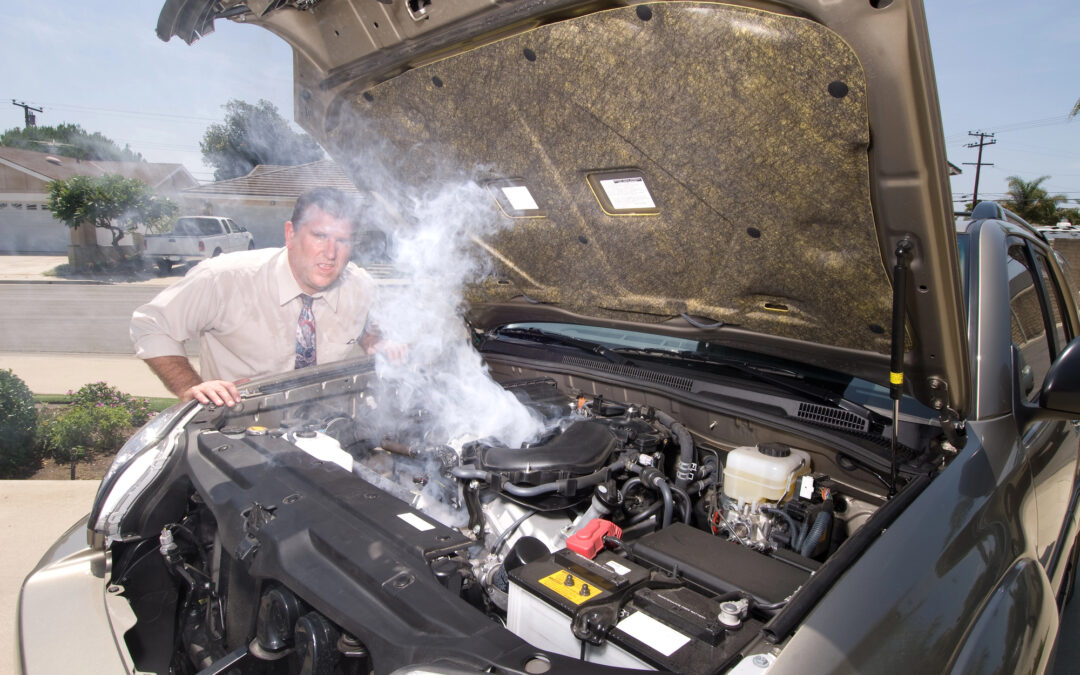
How Hot Weather Affects Your Car’s Engine
Effects of Hot Weather on Your Car Engine
Summertime means frequent visits from the radiator monkey! When temperatures soar, your car has to endure baking asphalt, stifling air, and a slew of other harsh conditions. Of course, we’re talking about those complex components working overtime under the hood. If you want to understand how hot weather affects your vehicle, you have to start somewhere. Keep reading to learn exactly how high temperatures damage your engine, and what you can do to prevent it.
Hot Weather Takes a Toll on Your Engine

Have you ever stopped to consider what happens under the hood when you start your engine? Cars operate by forcing fuel and air into a confined space and igniting them. Even on the coldest winter day, your engine produces tons of heat as a result of this controlled combustion. Throw in some sizzling summer weather and your car suddenly can’t dissipate heat nearly as fast. It doesn’t take much for things to go from bad to busted. Here’s what you need to know.
Heat makes it harder for your engine to:
* Fight off wear & tear
* Circulate lubricating fluids
* Avoid overheating
At Accuracy Automotive, we know your car inside and out. That’s why we’re here to educate our customers on how to keep their vehicles running smoothly. Read on to discover the nasty effects heat can have on your engine, and we’ll show you how we can protect your ride.
How Does Hot Weather Affect Your Car’s Engine?
A car’s engine operates most efficiently when the temperature is between 195-220 degrees Fahrenheit. Water and antifreeze blend together to draw heat away from the engine and out through the radiator. Hot or cold, the cooling system works overtime to maintain the perfect balance. However, when summer temperatures rise to match or exceed that range, things start to go downhill.
How Hot Weather Affects Your Cooling System

air conditioning
We think of a vehicle’s cooling system as its first line of defense. All summer long, the water pump, radiator, and thermostat are working their hardest to keep your engine cool. When coolant gets old, turn into vapor, or the mixture of antifreeze/water is off-balanced, things can go from bad to broken in seconds.
Coolant boils at a specific temperature, usually above 212 degrees farenheit. However, if your coolant mixture is old, dirty, or improperly mixed, that boiling point goes way down. Suddenly, your cooling system can’t circulate liquid coolant. Without liquid coolant flowing through the engine, hot spots develop in the cylinder head and block. These hot spots expand metal parts, eat away at rubber gaskets, and cause your engine to stall out on the freeway.
Engine Oil Breaks Down in Summer Heat
Motor oil is what keeps the metal components of your engine from literally grinding against each other. As temperatures rise, engine oil “thins out” and is unable to provide adequate lubrication. When engine oil breaks down, it creates more friction inside your engine which…you guessed it…produces more heat. Moreover, hot summer air actually oxidizes your engine oil faster than normal, turning it into thick black gunk that clogs up passageways and drains your engine of lubrication.
Transmission Fluid and brake fluid experience a similar reaction to heat. As the summer sun bears down on your vehicle, these fluids lose their viscosity (thick texture) and become useless.
Hot Weather will Ruin your Car’s Battery & Belts
Believe it or not, there are several other components that hot summer weather kills. Car batteries are made up of acid and water that create a chemical reaction. This reaction is what allows your battery to hold a charge. As temperatures rise, the water in your battery evaporates and weakens this reaction. Before you know it, you’re replacing your battery every summer.
Just like your battery, belts and hoses are made of rubber. Hotter weather will dry these parts out, leaving them brittle and cracked. If your serpentine belt snaps while you’re driving, your alternator and water pump will shut off and your engine will overheat in minutes.
How Accuracy Automotive Keeps Your Engine Cool
The only thing you can do to fight the ill-effects of summer weather is preventative maintenance. The experts at Accuracy Automotive have the knowledge and experience to keep you cool. We offer a full heat-stress analysis that includes cooling system pressure testing, condition of rubber hoses, and fluid analysis. By visiting Accuracy Automotive before summer hits its peak, you ensure that all of your car’s systems are performing at their best. We’ll replace your coolant, switch out your motor oil for a summer-weight grade, and spot weak belts before they give out. When you trust the maintenance of your vehicle to Accuracy Automotive, you don’t have to worry about your engine overheating.
Beat the Heat With Accuracy Automotive

car mechanic
If you take one thing away from this article, let it be this: summer is harsh on your vehicle. Heat accelerates the natural wear and tear that your car suffers year-round. You can prevent these problems from affecting your vehicle by staying prepared. Schedule your summer maintenance appointment with Accuracy Automotive and we’ll make sure your engine runs cool all season long.
FAQ
How can I tell if my coolant needs to be changed?
As long as you’re checking your coolant level each month, it shouldn’t be a problem. Every 30 days, pop open your coolant reservoir and visually inspect the fluid inside. If you notice a thick, dusty appearance to your coolant, bring your vehicle into our shop. You may very well have a leak that we can identify and repair quickly.
Will hot weather cause permanent damage to my engine?
If you drive your car with the temperature gauge in the red, you’re asking for serious damage. All of the metal components inside your engine expand when they overheat. Once these parts expand, you risk cracking your engine block, warping your cylinder head, and blowing your head gasket. All of these problems require a new engine.
Why does my car overheat when I’m stuck in traffic?
When your vehicle is traveling at highway speeds, outside air is pushed through the front grille. This “ram air” helps keep your radiator cool as you drive. However, when you’re stuck at a standstill, your car depends on its cooling fans. If these fans can’t pull enough air through the radiator, your car’s engine will overheat.