
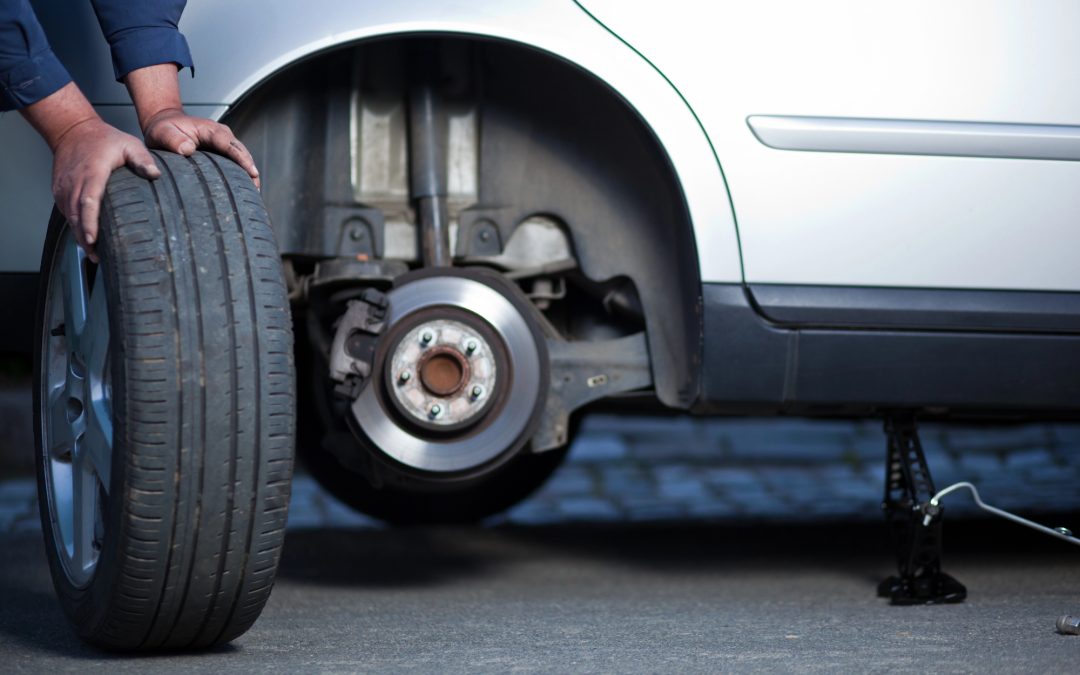
The Importance of Tire Maintenance for Utah’s Mountain Roads
Utah’s mountain roads offer some of the most stunning drives in the country. From the red rock canyons of southern Utah to the snow-capped peaks of the Wasatch Range, these routes attract adventurers year-round. But along with the breathtaking views come challenging conditions that test your vehicle’s limits. Sharp switchbacks, steep grades, and unpredictable weather make proper tire maintenance more than just a good idea—it’s essential for your safety.
Many drivers underestimate how much their tires impact their vehicle’s performance, especially in mountainous terrain. Worn treads, improper inflation, and unbalanced wheels can turn a scenic drive into a dangerous situation. At Accuracy Automotive, we’ve seen firsthand how neglecting tire care leads to avoidable breakdowns and accidents on Utah’s mountain roads. Understanding what your tires need and when they need it can make all the difference between a smooth journey and an emergency call for help.
The Unique Demands of Mountain Driving
Mountain roads place extraordinary stress on your tires. Unlike flat highway driving, these routes force your tires to work harder in almost every way. Steep inclines require more traction, while descents put additional pressure on your braking system and tire integrity. Tight curves demand responsive handling, which worn or improperly inflated tires simply cannot provide.
Temperature fluctuations add another layer of complexity. You might start your drive in warm valley conditions, only to encounter freezing temperatures and potential snow or ice at higher elevations. These rapid changes affect tire pressure and rubber flexibility. Cold air causes tire pressure to drop, reducing your contact with the road surface. When this happens on a steep mountain pass, your vehicle’s handling becomes compromised.
The team at Accuracy Automotive regularly works with drivers who’ve experienced tire-related issues on mountain roads. Many of these problems could have been prevented with routine maintenance. Checking your tire pressure before mountain trips, inspecting tread depth, and ensuring proper alignment aren’t just maintenance tasks—they’re safety measures that protect you and your passengers.
Tread Depth and Traction
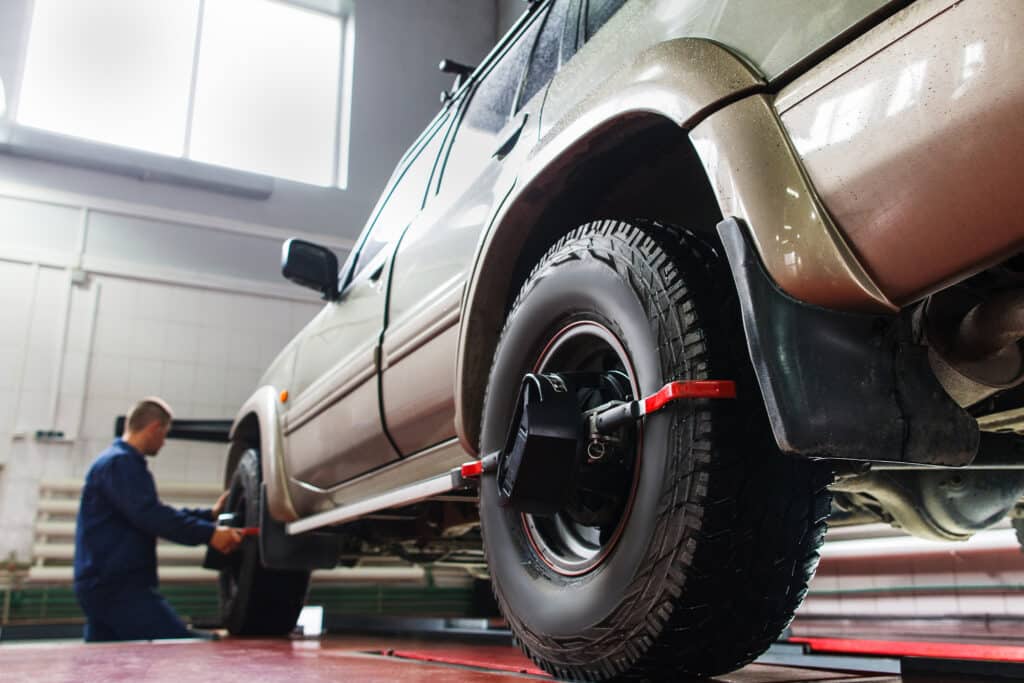
Tire Alignment Service
Tread depth directly affects your ability to maintain control on challenging surfaces. On mountain roads, where gravel, mud, rain, and snow are common, adequate tread depth becomes critical. Tires with shallow treads cannot channel water or slush away from the contact patch effectively, leading to hydroplaning or loss of grip.
Utah law requires a minimum tread depth of 2/32 of an inch, but this legal minimum doesn’t provide enough safety margin for mountain driving. Most experts, including the technicians at Accuracy Automotive, recommend replacing tires when tread depth reaches 4/32 of an inch. For drivers who frequently tackle mountain roads, especially during winter months, even deeper treads offer better protection.
You can check your tread depth using a simple penny test. Insert a penny into the tread groove with Lincoln’s head upside down. If you can see the top of Lincoln’s head, your treads are too shallow for safe mountain driving. Regular inspections help you stay ahead of wear patterns and replace tires before they become hazardous.
Tire Pressure and Performance
Proper tire pressure affects nearly every aspect of your vehicle’s performance. Underinflated tires reduce fuel efficiency, cause uneven wear, and increase the risk of blowouts—particularly dangerous on narrow mountain roads with limited shoulders. Overinflated tires reduce your contact patch with the road, compromising traction and making your ride harsher over rough surfaces.
Altitude changes affect tire pressure more than many drivers realize. As you climb in elevation, the air inside your tires expands, increasing pressure. Conversely, descending causes pressure to drop. These fluctuations mean that tires properly inflated in the valley may be over or underinflated by the time you reach your mountain destination.
Accuracy Automotive recommends checking tire pressure before any mountain trip and adjusting based on your planned elevation changes. Your vehicle’s recommended pressure is listed on the driver’s side door jamb or in your owner’s manual. Use this as your baseline, but consider the conditions you’ll encounter. If you’re heading to significantly higher elevations, slightly reducing pressure before you leave can help compensate for expansion at altitude.
Seasonal Considerations for Mountain Tire Maintenance
Utah’s seasons bring distinct challenges for tire maintenance. Summer heat softens tire rubber and increases pressure, while also wearing treads faster on hot pavement. Mountain roads magnify these effects because of the constant acceleration, braking, and turning they require. Regular pressure checks during summer months help prevent blowouts and extend tire life.
Winter transforms mountain roads entirely. Snow and ice make traction precious, and all-season tires often struggle to provide adequate grip. While all-season tires work well for many Utah drivers, those who regularly travel mountain roads during winter should consider dedicated winter tires. These tires use softer rubber compounds that remain flexible in freezing temperatures and feature tread patterns designed specifically for snow and ice.
The experts at Accuracy Automotive can help you determine whether winter tires make sense for your driving habits. They’ll also ensure proper installation and storage of seasonal tires, maximizing their lifespan and performance. Switching to winter tires before the first major snowfall and back to all-season or summer tires in spring keeps you prepared for whatever Utah’s mountain roads throw at you.
Alignment and Balance
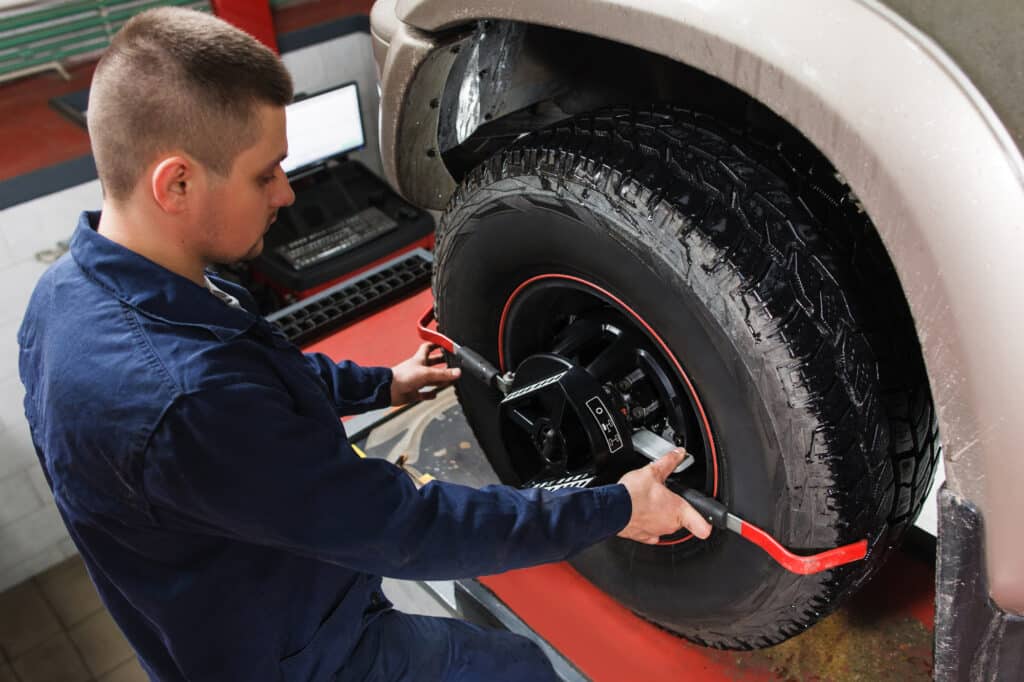
Wheel Alignment Service
Proper wheel alignment and balance might seem like technical details, but they dramatically impact your safety on mountain roads. Misaligned wheels cause uneven tire wear, pull your vehicle to one side, and reduce your steering responsiveness. On a winding mountain road where precise control matters, misalignment can be genuinely dangerous.
Balance issues create vibrations that become more noticeable at higher speeds. While you might not notice a slight imbalance during city driving, it becomes obvious—and potentially hazardous—on mountain highways. These vibrations indicate that weight isn’t distributed evenly around the wheel, causing uneven wear and putting stress on your suspension components.
Accuracy Automotive recommends having your alignment checked at least once a year, or immediately after hitting a significant pothole or curb. Balancing should happen whenever you install new tires or notice vibrations while driving. These services extend tire life and improve handling, making them worthwhile investments for anyone who regularly drives mountain roads.
When to Seek Professional Help
Knowing when your tires need professional attention prevents small issues from becoming major problems. Any visible damage—cuts, bulges, or punctures—requires immediate inspection by qualified technicians. Even minor damage can worsen quickly under the stress of mountain driving.
Pay attention to how your vehicle feels on the road. Pulling to one side, vibrations, or unusual noise all indicate potential tire or alignment problems. Changes in how your vehicle handles, especially during turns or braking, warrant prompt professional evaluation.
The service team at Accuracy Automotive specializes in comprehensive tire maintenance for Utah drivers. They understand the specific challenges our mountain roads present and can recommend solutions tailored to your driving patterns. Regular professional inspections catch developing problems before they compromise your safety, giving you confidence whether you’re commuting through Parley’s Canyon or exploring remote mountain passes.
Making Tire Maintenance a Habit
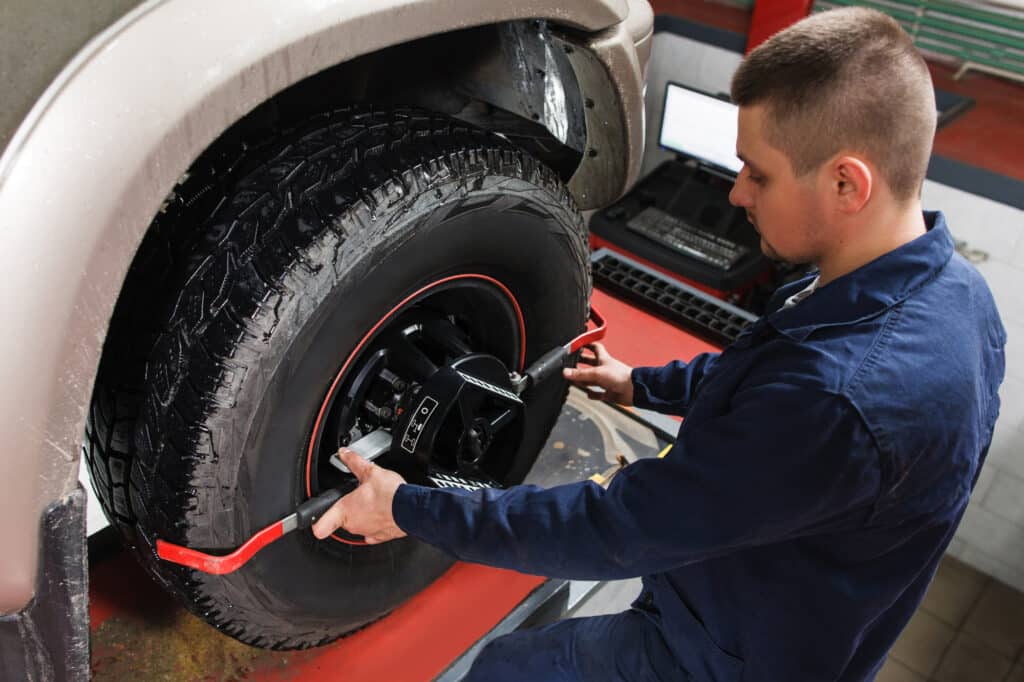
Auto Repair in Salt Lake City
Consistent tire maintenance doesn’t require much time, but it delivers enormous benefits. Build simple checks into your routine. Before long trips, especially those involving mountain roads, walk around your vehicle and visually inspect each tire. Look for obvious damage, uneven wear, or anything embedded in the tread.
Check your tire pressure monthly and before any significant elevation changes. Keep a quality tire gauge in your vehicle and know how to use it properly. This simple habit prevents many common tire problems and helps you catch issues early.
Schedule professional inspections and rotations according to your vehicle manufacturer’s recommendations. Most vehicles benefit from tire rotation every 5,000 to 7,000 miles. Regular professional service ensures that trained eyes examine your tires thoroughly and that potential problems receive expert attention.
Drive Confidently Through Utah’s Mountains
Utah’s mountain roads reward preparation. Proper tire maintenance ensures you can enjoy the spectacular scenery while staying safe through challenging conditions. Whether you’re heading to a ski resort, exploring backcountry trails, or simply commuting over mountain passes, well-maintained tires provide the foundation for confident driving.
Accuracy Automotive stands ready to help Utah drivers tackle any road with confidence. Their experienced technicians understand what your tires need to perform reliably on mountain terrain. Don’t wait for a problem to develop—make tire maintenance a priority and experience the difference it makes every time you hit the road. Reach out today by calling (801) 273-0664.