When to Replace Your Timing Belt: A Utah Mechanic’s Checklist
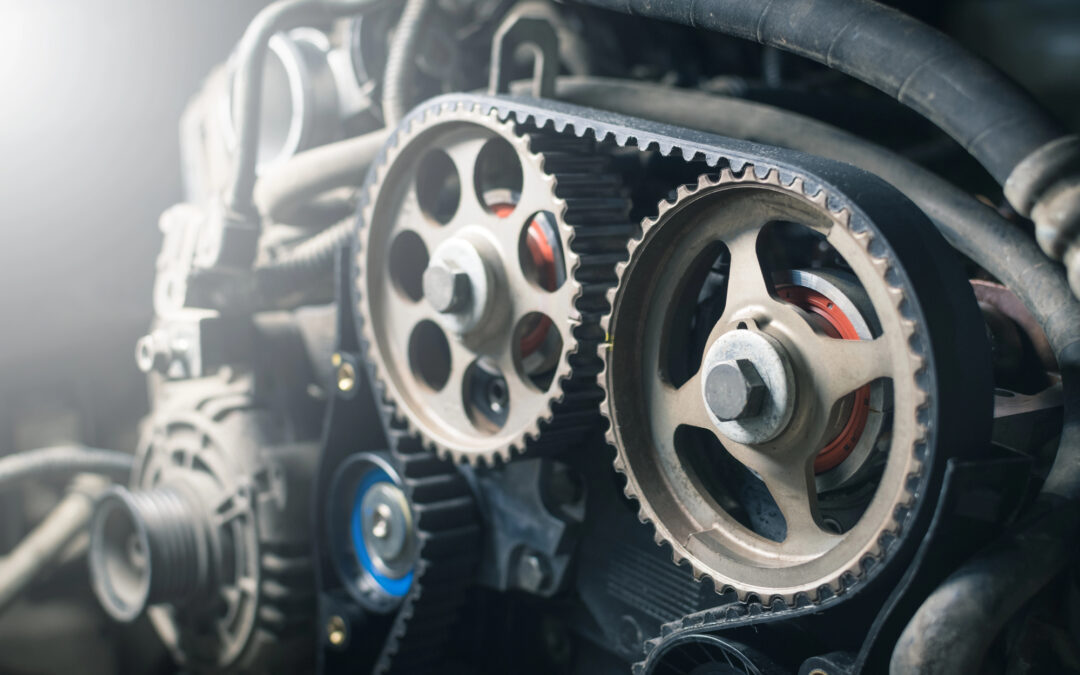
Your car’s timing belt is one of its most critical components, yet it’s also one of the most overlooked. Tucked away inside the engine, this unassuming rubber belt is responsible for synchronizing the rotation of your engine’s crankshaft and camshafts. This precise timing is essential for your engine’s valves to open and close at the right moments, allowing fuel and air to enter and exhaust to exit. If the timing is off, your engine won’t run properly, and if the belt snaps, the results can be catastrophic and costly.
Many Utah drivers are unsure when a timing belt replacement is necessary. Waiting too long can lead to severe engine damage, turning a routine maintenance task into a major repair bill. Understanding the signs of a worn timing belt and adhering to recommended service intervals can save you thousands of dollars and ensure your vehicle remains reliable on the road.
This guide will walk you through the key indicators that it’s time for a timing belt replacement. We’ll cover the manufacturer’s recommendations, the audible and visible signs of a failing belt, and the unique factors that affect vehicles in Utah. With this knowledge, you can confidently schedule service with a trusted local expert, like the team at Accuracy Automotive, and keep your engine running smoothly for years to come.
Follow Your Manufacturer’s Recommendation
The most reliable way to know when to schedule a timing belt replacement is to consult your vehicle’s owner’s manual. Car manufacturers provide specific service intervals based on extensive testing and engineering data. These recommendations are typically given in terms of mileage, but sometimes they include a time-based interval as well. For most vehicles, this range falls between 60,000 and 100,000 miles. It’s essential to treat this as a firm deadline, not a loose suggestion. Ignoring this guideline is a significant gamble with your engine’s health.
The team at Accuracy Automotive always emphasizes following the manufacturer’s schedule. Postponing the service, even by a few thousand miles, can expose your engine to unnecessary risk. The timing belt is a wear-and-tear item, and its lifespan is finite. Adhering to the recommended interval is the most proactive step you can take to prevent a sudden and disastrous failure.
Listen for Ticking or Clicking Noises

overheated car
One of the early warning signs of a failing timing belt is an unusual ticking or clicking sound coming from the engine. As the belt wears down, its teeth can lose their grip on the gears of the crankshaft and camshafts, causing it to slip. This slippage can produce a rhythmic ticking noise that increases in frequency as you accelerate. The sound is often subtle at first but will become more pronounced over time.
If you hear this type of noise, it’s a clear signal that your engine’s internal timing is compromised. The belt may be loose, or the tensioner that keeps it tight could be failing. Continuing to drive with this symptom can lead to more significant problems, as the engine’s valves are no longer opening and closing in perfect sync. For peace of mind, have a professional mechanic at a shop like Accuracy Automotive inspect the system immediately to diagnose the source of the noise.
Check for Visible Signs of Wear
A visual inspection of the timing belt can provide clues about its condition, though accessing it often requires removing a protective cover. If you or your mechanic can see the belt, look for signs of physical degradation. Cracks, fraying, or glazing on the belt’s surface are clear indicators that it is nearing the end of its life. The rubber can become brittle and dry over time, leading to small fissures that can quickly grow.
Another sign to watch for is “pilling,” where small pieces of the belt’s material have shredded and accumulated in the timing cover. You might also notice that the teeth on the underside of the belt are worn down or missing. Any of these visible signs mean that a timing belt replacement is urgently needed. A compromised belt is a weak belt, and it’s only a matter of time before it fails completely.
Watch Out for Engine Performance Issues

engine repair
A worn or improperly installed timing belt can directly impact your engine’s performance. Because the belt controls the valve timing, any slip can cause the engine to misfire. You might notice your car running rough, especially when idling, or you may experience a noticeable loss of power during acceleration. In some cases, the engine may have trouble starting or might not start at all.
These symptoms occur because the air-fuel mixture isn’t igniting at the optimal moment. If the timing is off, the cylinders won’t produce the power they should, leading to a sluggish and inefficient engine. While other issues can cause similar problems, a failing timing belt is a serious possibility that should be investigated by a qualified technician. The experts at Accuracy Automotive have the diagnostic tools to determine if the performance issues are related to your timing system.
Don’t Ignore an Oil Leak
An oil leak near the front of the engine could be a sign that the timing belt is in trouble. The timing belt cover is sealed to protect the belt from contaminants, but the crankshaft and camshaft seals behind it can wear out over time. If these seals begin to leak, oil can seep onto the timing belt. This contamination will rapidly degrade the rubber, causing it to soften, slip, or break prematurely.
If you notice an oil leak in this area, it’s crucial to have it addressed right away. Simply replacing the leaking seals isn’t enough; the oil-soaked timing belt must also be replaced. Driving with an oil-contaminated belt significantly increases the risk of catastrophic engine failure. A professional inspection can confirm the source of the leak and ensure all necessary components, including the belt, are replaced.
Schedule Your Service With a Trusted Expert
Your vehicle’s timing belt is a component that demands proactive attention. Waiting for it to fail is not an option, as the resulting engine damage can be extensive and expensive to repair. By following your manufacturer’s recommended service intervals and paying attention to the warning signs, you can protect your investment and ensure your vehicle’s longevity.
If your car is approaching its recommended mileage for a timing belt replacement or if you’ve noticed any of the symptoms discussed, don’t hesitate. Contact the experienced professionals at Accuracy Automotive by calling (801) 266-3609. Their team understands the unique demands that Utah’s climate and driving conditions place on a vehicle, and they are equipped to provide the expert service your car needs.