
What to Do If Your Car Overheats: A Step-by-Step Guide
Car overheating can strike without warning, leaving drivers stranded and worried about expensive repairs. Whether you’re stuck in traffic on a sweltering summer day or climbing a steep mountain pass, knowing how to handle an overheated engine can save you from costly damage and keep you safe on the road.
An overheated car isn’t just an inconvenience—it’s a serious mechanical issue that requires immediate attention. The good news is that with the right knowledge and quick action, you can often prevent minor overheating from becoming a major engine catastrophe. Understanding what steps to take when your temperature gauge climbs into the red zone can mean the difference between a simple coolant top-off and a complete engine rebuild.
Recognize the Warning Signs
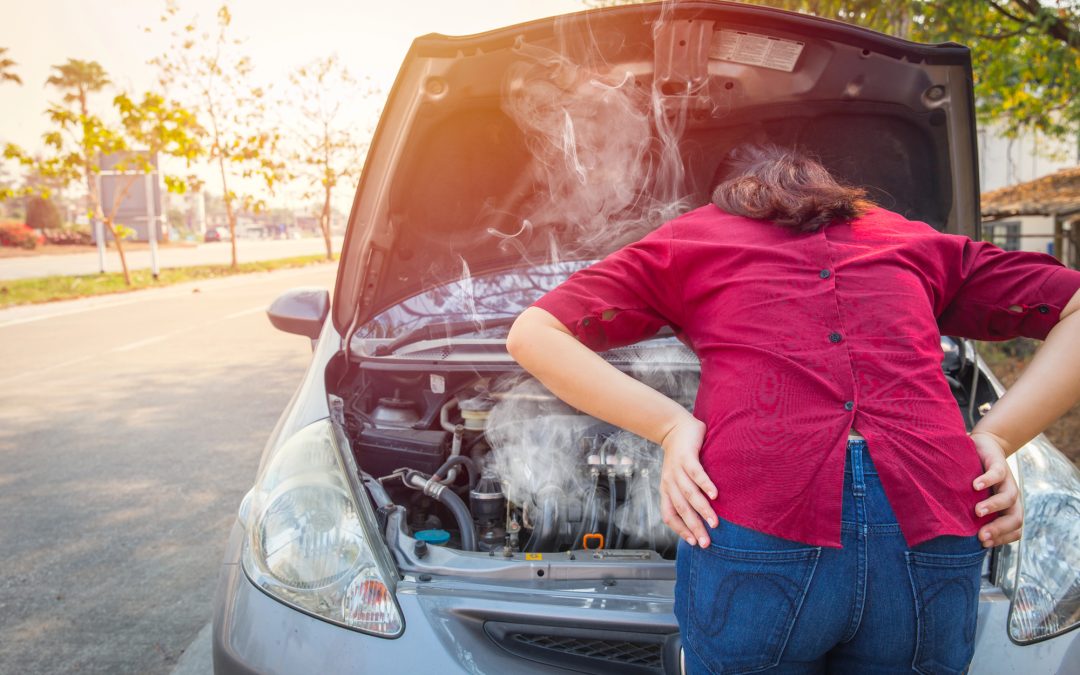
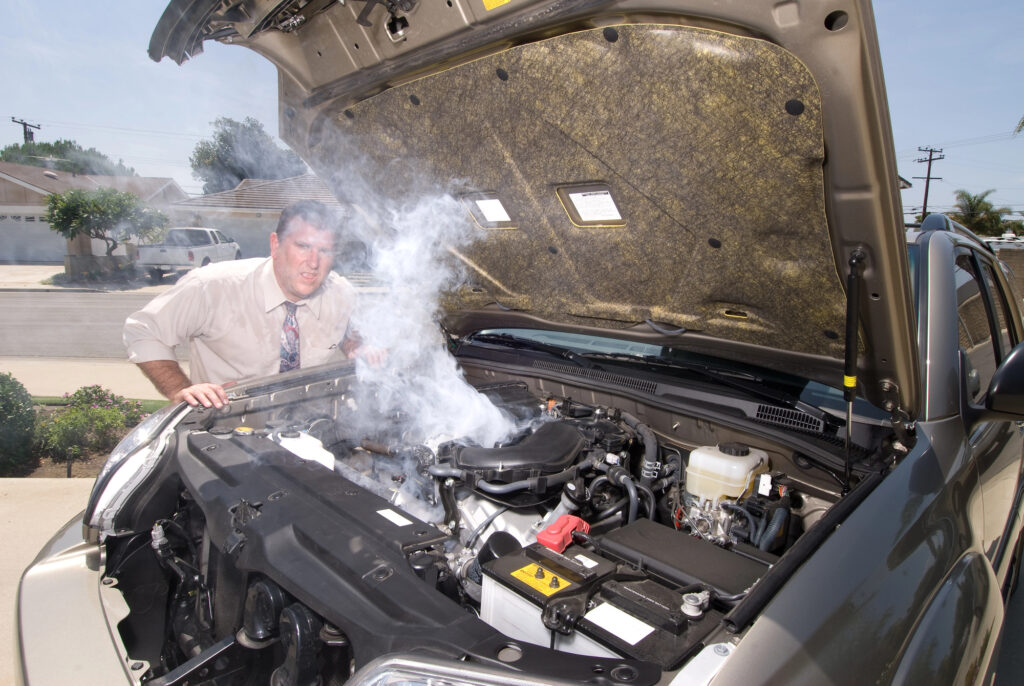
Before your car reaches a critical overheating point, it typically sends several warning signals. Your temperature gauge will climb higher than normal, often moving into the red zone on your dashboard. Steam may begin rising from under the hood, and you might notice a sweet smell that indicates coolant is burning off on hot engine components.
Modern vehicles often trigger dashboard warning lights when engine temperatures exceed safe operating ranges. Don’t ignore these early indicators—they’re your car’s way of asking for help before permanent damage occurs. The team at Accuracy Automotive emphasizes that catching overheating early dramatically reduces repair costs and prevents the need for major engine work.
Pull Over Safely and Turn Off the Engine

auto repair shop murray utah
Once you notice signs of overheating, your first priority should be getting to a safe location. Pull over to the shoulder of the road or into a parking lot as soon as possible, but avoid stopping in traffic or on busy streets. Turn on your hazard lights to alert other drivers, and turn off your engine immediately.
Resist the urge to keep driving even short distances when your car is overheating. Each additional minute of operation at high temperatures can cause exponential damage to engine components. Warped cylinder heads, blown head gaskets, and cracked engine blocks are all potential consequences of continued driving with an overheated engine.
Let Your Engine Cool Down
After shutting off your engine, patience becomes your most valuable tool. Allow at least 30 minutes for your engine to cool down before attempting any inspection or repairs. During this waiting period, the engine temperature will drop, and pressurized coolant systems will return to safe handling levels.
Never attempt to remove the radiator cap or check coolant levels while the engine is hot. Pressurized coolant can reach temperatures well above the boiling point of water and can cause severe burns if released suddenly. Use this cooling period to call for roadside assistance or contact a trusted repair facility like Accuracy Automotive for guidance on your next steps.
Check Coolant Levels and Add Fluid if Necessary
Once your engine has cooled sufficiently, you can safely inspect your coolant system. Check the coolant reservoir tank, which is typically a translucent plastic container near the radiator. If the coolant level appears low, you can add water or coolant to bring it back to the recommended level.
If you don’t have coolant available, plain water can serve as a temporary solution to get you to a repair shop. However, water lacks the corrosion inhibitors and temperature protection that proper coolant provides, so consider this only a short-term fix. The experienced technicians at Accuracy Automotive recommend using a 50/50 mixture of coolant and water for optimal engine protection.
Identify the Root Cause
engine repair
Simply adding coolant may solve your immediate problem, but overheating usually indicates an underlying issue that needs professional attention. Common causes include leaking hoses, a malfunctioning thermostat, a failing water pump, or a clogged radiator. Look for visible signs of coolant leaks under your vehicle or around engine components.
A quick visual inspection can sometimes reveal obvious problems like burst hoses or loose clamps. However, many overheating causes require diagnostic equipment and professional expertise to identify properly. Issues like internal head gasket leaks or water pump failures aren’t always immediately visible but require prompt repair to prevent further engine damage.
Drive Carefully to Your Destination
If your coolant levels appear adequate and you haven’t identified any obvious leaks, you may be able to drive to a nearby service station or repair facility. Keep your speed moderate and avoid heavy acceleration or steep hills that put additional strain on your engine. Monitor your temperature gauge constantly, and be prepared to pull over again if overheating resumes.
Consider turning on your heater and blower fan, even on hot days. This helps dissipate heat from your engine’s cooling system and can provide a few extra degrees of cooling capacity. While uncomfortable for passengers, this technique can help you reach safety without causing additional engine damage.
Seek Professional Help
Even if you successfully manage an overheating episode, professional diagnosis and repair should be your next priority. Overheating can cause internal engine damage that isn’t immediately apparent but may lead to failure down the road. A comprehensive cooling system inspection can identify potential problems before they leave you stranded again.
The certified technicians at Accuracy Automotive have the diagnostic tools and experience necessary to identify the root cause of overheating issues. From simple thermostat replacements to complex head gasket repairs, professional service ensures your cooling system operates reliably for years to come. Call (801) 273-0664 today!
Car overheating doesn’t have to result in panic or expensive repairs if you respond appropriately. By recognizing warning signs early, taking immediate action to protect your engine, and seeking professional help when needed, you can minimize damage and get back on the road safely. Remember that your safety is more important than your schedule—pulling over immediately when overheating occurs is always the right choice.